


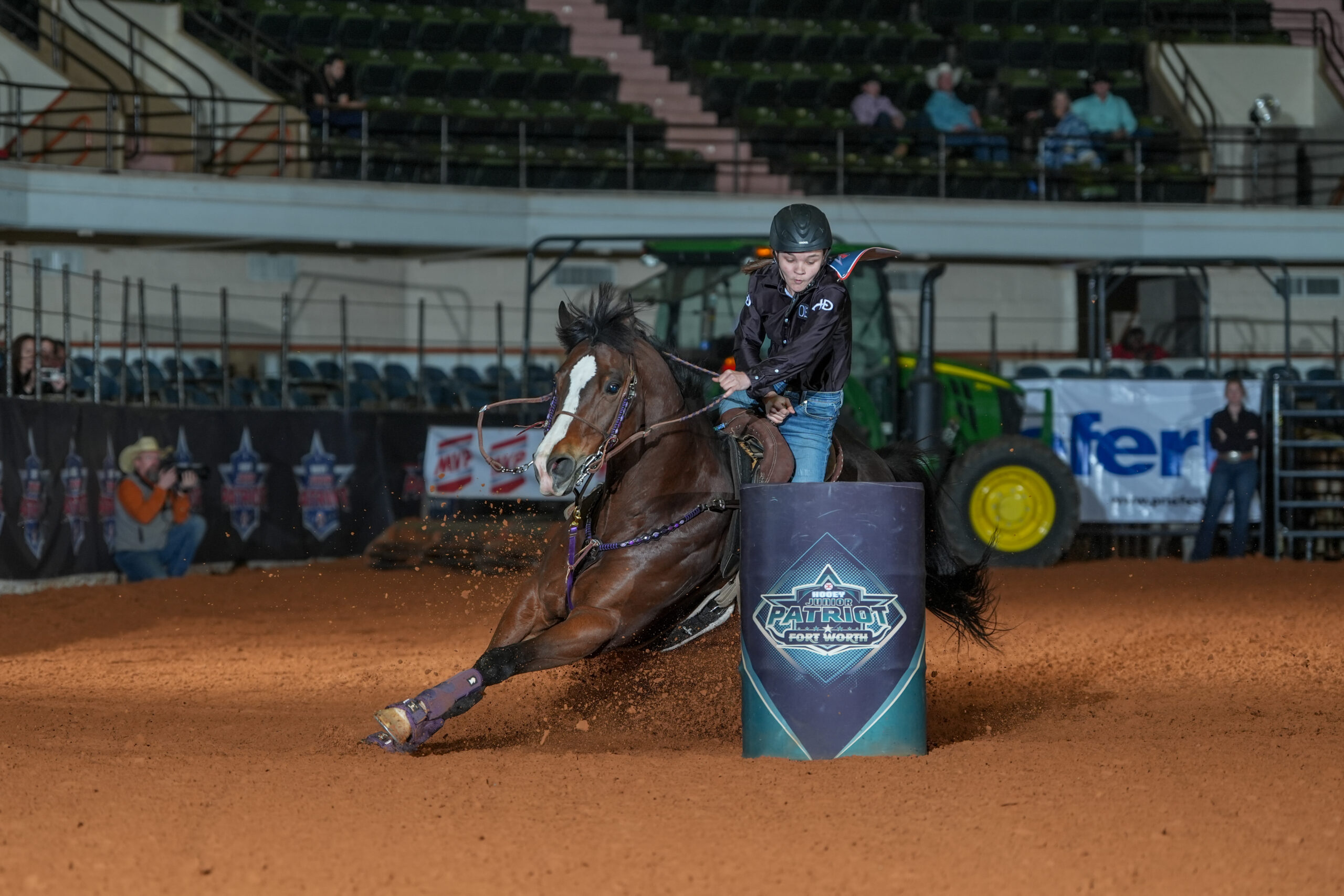
LAS VEGAS, Nev., Nov. 19, 2025 – Patriot Las Vegas will move forward on its December schedule in Nevada as animal health officials continue to track neurologic equine herpesvirus (EHV-1) cases tied to recent events in Texas and Oklahoma and Nevada tightens entry and biosecurity requirements for incoming horses.
Equine Network and The Patriot Event said Wednesday that, based on current information from state veterinarians, there are no restrictions in place that would stop Patriot Las Vegas from being held. That update comes after a Nov. 19 conference involving animal health officials from multiple states, where regulators agreed to stay with their established system of tracing, identifying and quarantining exposed horses and affected premises rather than imposing broader movement bans.
Officials reported that horses which competed at the implicated Texas and Oklahoma events have been located, notified and placed under quarantine, along with the premises where they now reside. Local veterinarians are being asked to report any new suspected cases, and the same quarantine and tracing protocols would apply if additional horses test positive.
“While obtaining this guidance has taken additional time, we are pleased to report that, as of now, there are no restrictions or additional protocols in place that prevent Patriot Las Vegas from being held in Nevada,” Patriot officials said in a statement.
With a little more than two weeks before Patriot Las Vegas begins, state officials indicated that window should allow any further cases tied to the earlier events to surface.
“We understand how concerning neurologic EHV-1 is for every horse owner,” Patriot officials said. “We are committed to being transparent, to follow veterinary guidance to the letter, and to providing a safe environment without fueling unnecessary panic or disruption. We will not compromise horse welfare, and we will communicate promptly if any recommendations change.”
Nevada’s temporary entry rules for horses
Although Nevada has no confirmed EHV cases at this time, the Nevada Department of Agriculture (NDA) is tightening its requirements for horses entering the state during the busy winter event season.
“Convergence of large numbers of horses at events can increase the risk of disease spread,” Nevada State Veterinarian Dr. Peter Rolfe said. “Horse owners should remain vigilant and take proactive measures to protect their animals during travel and increased animal interaction.”
Key points of Nevada’s temporary entry measures, in place through Jan. 1, 2026, include:
• Entry permits are required for horses entering Nevada.
• A certificate of veterinary inspection (CVI) must include the statement that none of the horses listed have been on a premises with a confirmed case of EHV-1 within the previous 21 days.
• USDA-accredited veterinarians must obtain the entry permit from the Nevada Department of Agriculture before horses ship into the state.
“We are not stopping movements at this time,” Rolfe said. “We are taking extra precautions to help prevent the spread of animal disease.”
Biosecurity expectations for Patriot contestants
Patriot organizers are urging contestants and horse owners to treat biosecurity as seriously as entering and hauling, especially in the weeks before and after major events.
EHV and other contagious diseases can spread from horse to horse and by people, equipment and vehicles. Simple steps can reduce the risk:
• Avoid sharing tack, water buckets, hoses, grooming tools or other equipment between horses.
• Monitor each horse’s temperature twice a day, particularly while traveling or competing.
• Keep new arrivals or returning show horses separate from the home herd and maintain a 21-day quarantinebefore mixing them back in.
• When caring for multiple horses, handle healthy horses first and any sick or recovering horses last.
• Thoroughly clean and disinfect stalls, trailers and equipment between uses.
Rolfe also recommends twice-daily temperature checks for 21 days after travel and close attention to signs that can indicate disease, such as:
• Fever
• Incoordination, stumbling, weakness or difficulty standing
• Trouble urinating or urine dribbling
• Nasal discharge or coughing
• Decreased appetite
• Enlarged lymph nodes
EHV is a reportable disease in Nevada, and veterinarians must alert the NDA when they diagnose a case. Horse owners who see signs of illness are urged to contact their veterinarian immediately rather than haul or compete.
Patriot’s stance: cautious, not panicked
Patriot officials stressed that the health and safety of horses and people remain the guiding priority as they prepare for the event. Organizers are remaining in close contact with state veterinarians, event veterinarians, facility management and industry partners as the situation develops.
“We will continue to rely on guidance from recognized state veterinary and agricultural experts rather than information circulating on social media,” the Patriot statement said. “Ultimately, the final decision on risk will fall to individual owners. We will respect and assist anyone that chooses to withdraw.”
Contestants planning to attend Patriot Las Vegas are encouraged to coordinate with their veterinarians, stay current on Nevada’s entry requirements and build strong biosecurity habits into their travel plans so they can arrive in Las Vegas prepared and informed.