


When it comes to fine-tuning a barrel horse, NFR Qualifier and top barrel racing trainer, Carley Cervi, focuses on feel, body control, and timing.
Her drills are designed to keep her horses honest, soft, and engaged—without drilling on the barrels over and over again. Whether she’s tuning up a finished horse or building a solid foundation in a futurity colt, these three drills are always in her rotation.
- The “Radio” Story with Carley Cervi
- Carley Cervi’s Training Playbook: Respect, Repetition and Release
1. The Telephone Pole Drill
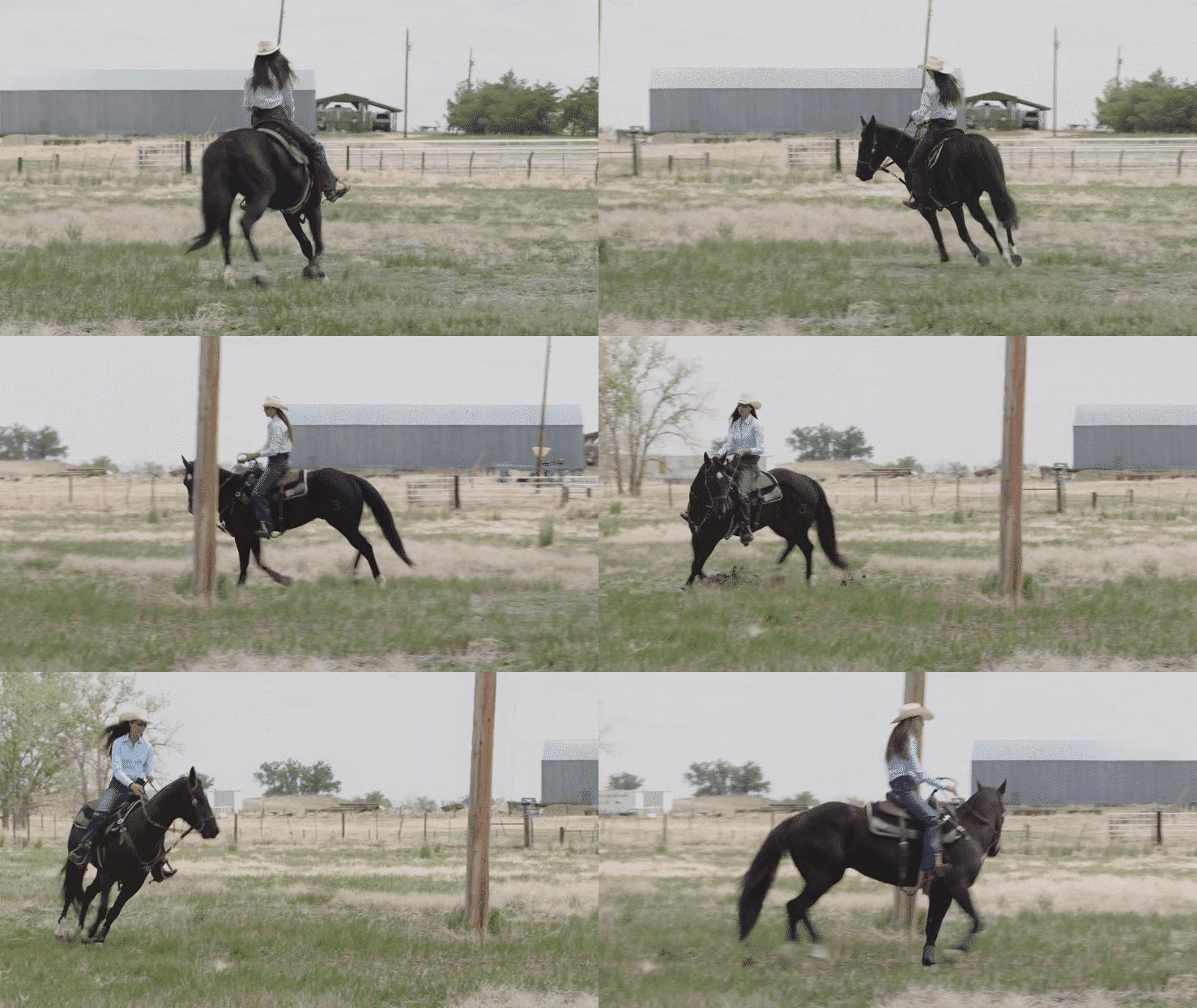
Carley Cervi might be in a pasture, but she’s still thinking about the arena. In this unique drill, she uses a line of telephone poles as stand-ins for barrels to work on body control without the pressure of a barrel pattern.
“They don’t anticipate these poles like a barrel,” Carley says. “So I can maneuver them really easily.”
Here’s how she does it:
- She starts by loping a relaxed, balanced circle around the pole.
- She wants just enough face to see the horse’s eye—not leaning in or out.
- Using subtle cues (just rocking her hips), she moves the horse in or out on the circle.
- The horse should maintain rhythm, balance, and softness throughout.
- If the horse pulls on her hands or fades out, she immediately stops to correct it.
“It’s not personal. I’m not mad. But he’s got to travel a certain way,” she explains.
The telephone pole drill keeps things light and honest, teaching the horse to stay between the reins and underneath the rider without bracing or anticipating. It’s a go-to drill for improving body shape around a barrel—without overdoing the pattern.
WATCH HERE.
2. Figure-Eights for Quickness
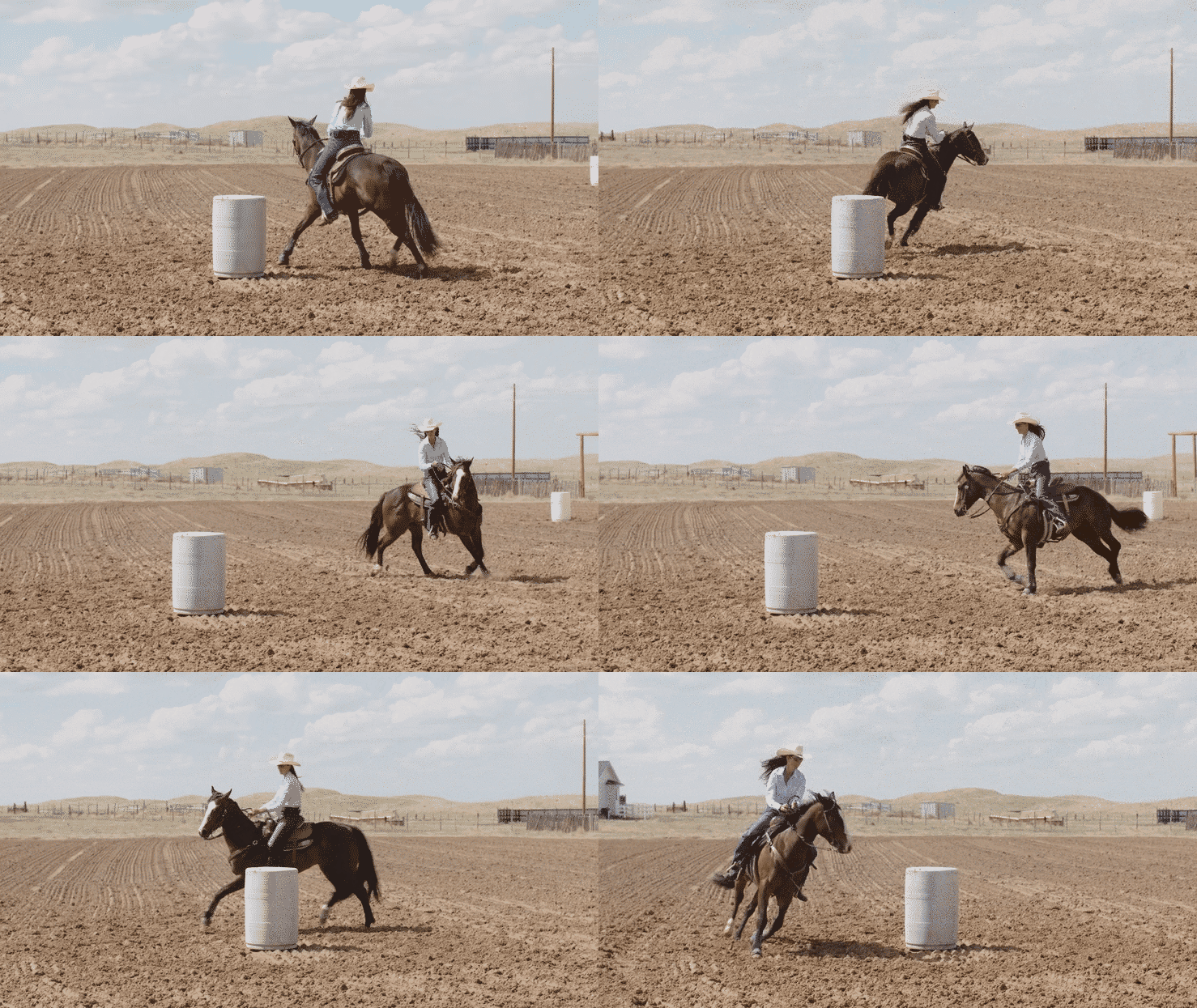
This one’s all about sharpening the front end and waking up a lazy mover. Carley uses this simple figure-eight drill to encourage quick, responsive feet and lighten up a horse that wants to drag.
- She rides tight figure-eights at a forward trot.
- Her focus? Quick front feet and sharp transitions.
- She uses her hips and body energy to cue changes in direction.
“Obviously, this is for a horse that wants to be lazy and drag their feet around a barrel,” Carley says. “I’ve got a lot of energy in my body, and I’m making him get sharp.”
Pressure and release are key—if a horse gets heavy, she applies pressure until they give, then releases immediately. This keeps the horse light in the mouth and responsive to subtle cues.
Simple but powerful, this drill builds front-end awareness and gets a horse thinking quickly through turns.
WATCH HERE.
3. Working the Fence
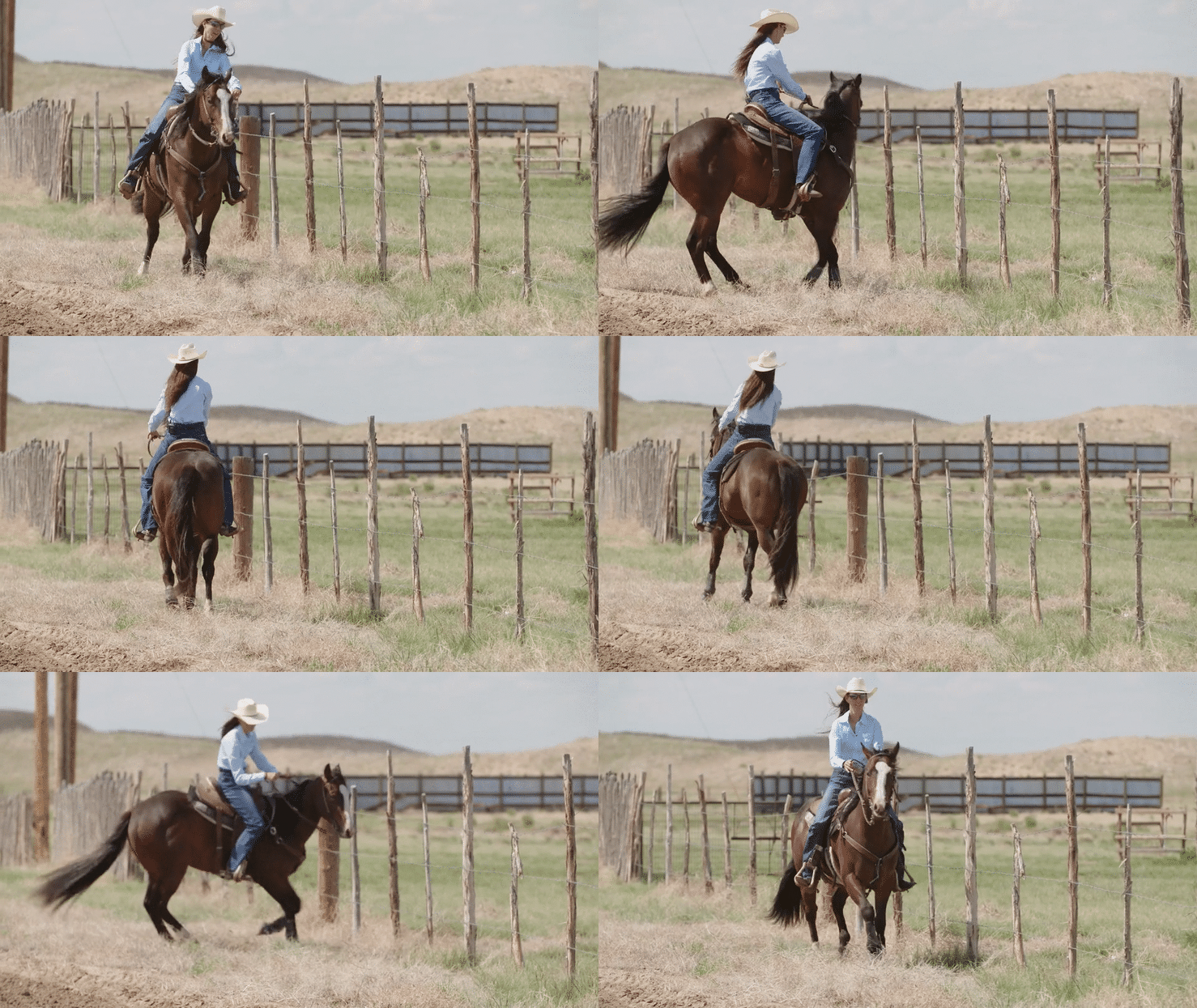
If a horse isn’t naturally getting on their hind end or learning to read the rider’s body, Carley heads to the fence.
“This is obviously more horsemanship-based,” she explains. “But they teach themselves how to get their butt underneath them.”
She starts on a circle, then drives the horse out of it and along the fence line. If they start anticipating the turn, she turns them away from the fence or puts them back in the middle.
The keys to this drill:
- Quick, sharp turns out of the circle
- Driving forward into the other direction
- Letting the horse learn to anticipate transitions, not just turns
“More than the turn itself, the important part is making them get out of it,” she says.
This drill helps horses learn to engage their hindquarters, rate naturally, and stay mentally sharp. Carley sometimes even works slow cattle along the fence to build focus.
WATCH HERE.
About Ride TV
Better horsemanship, a stronger mentality, faster and smoother runs—BarrelRacing.com’s Ride TV channel offers training videos from beginner to advanced barrel racing instruction from the most respected voices in the industry. Cut time, gain confidence and win more with the best training tool for barrel racers. Start your free trail today to learn from top hands like Jordon Briggs, Ryann Pedone, Cheyenne Wimberley and Danyelle Campbell.