


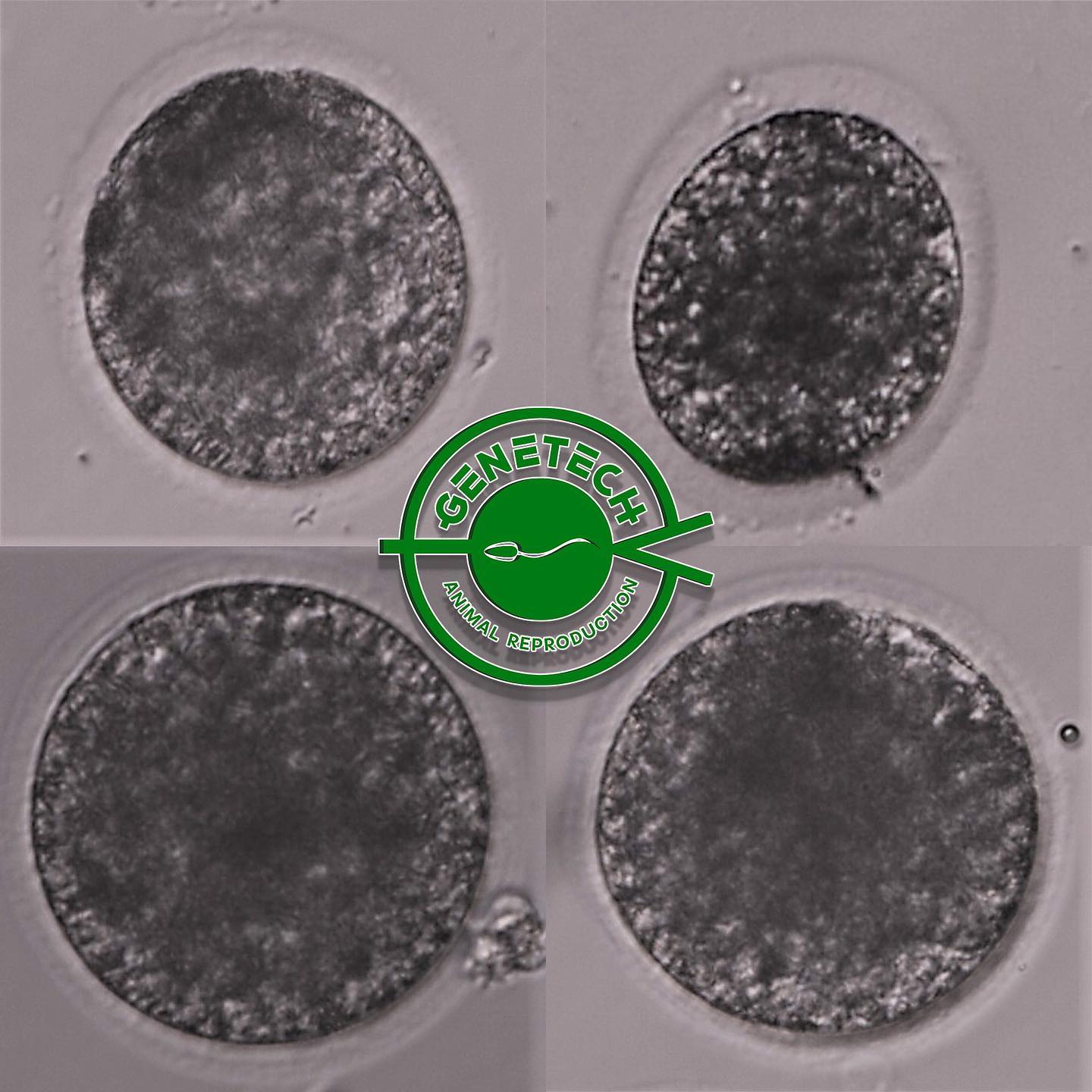
Intracytoplasmic sperm injection, better known as ICSI, has become one of the most discussed reproductive technologies in the Western performance horse industry. From high-end barrel racing mares to deceased stallions with limited semen, ICSI is reshaping how breeders build programs and preserve genetics.

On this episode of The Money Barrel, Dr. Tiago Boechat, co-founder of GeneTech Animal Reproduction, and Melanie Smith of Solo Select Horses break down the ICSI process, success rates, misconceptions, costs and long-term impact on the gene pool.
Listen to the full episode below.
Listen and follow along:
Table of contents
- What Is ICSI?
- ICSI vs. Traditional Embryo Transfer
- Why Barrel Racing Breeders Use ICSI
- Cost: Is ICSI More Expensive?
- Success Rates: What to Expect
- Recipient Mare Management Matters
- Stallions and ICSI
- Does ICSI Narrow the Gene Pool?
- Are ICSI Foals Less Healthy?
- The Future of ICSI in Western Performance Horses
- Episode Sponsor
What Is ICSI?
ICSI is an in vitro fertilization process in which oocytes (eggs) are aspirated directly from a mare’s ovaries, matured in a laboratory, and injected with a single selected sperm cell. Resulting embryos are cultured before being transferred into a recipient mare or vitrified (frozen) for later transfer
Unlike traditional embryo transfer, the mare is not bred and does not carry the embryo for seven or eight days before flushing. The process bypasses ovulation entirely and goes straight to the ovaries
ICSI vs. Traditional Embryo Transfer
Traditional Flush:
- Mare is bred.
- Embryo is flushed 7–8 days post-ovulation.
- Average of roughly 0.7 embryos per flush.
ICSI:
- Oocytes aspirated directly from ovaries.
- Eggs matured and injected in lab.
- Average of approximately 2.5 embryos per aspiration across all mare types
Top-managed programs often exceed that average by selecting mares with higher oocyte counts and optimizing management protocols
Why Barrel Racing Breeders Use ICSI
1. Keeping Show Mares Competing
ICSI allows active barrel racing mares to:
- Compete on the weekend.
- Be aspirated on Monday.
- Return home the same day.
This eliminates the need for a mare to remain at a breeding facility for months during embryo transfer cycles
2. Maximizing Broodmare Output
Breeders can:
- Aspirate multiple times per season.
- Breed to different stallions in the same year.
- Produce multiple embryos from one cycle.
This allows earlier foaling dates, strategic crosses and faster evaluation of a mare’s production potential.
3. Older or Difficult-to-Flush Mares
Mares that no longer flush efficiently often remain strong ICSI candidates. Long-term ICSI-only mares have successfully produced multiple foals per year over extended periods without significant ovarian damage when managed correctly
Cost: Is ICSI More Expensive?
Upfront, ICSI appears more expensive. However, when factoring in:
- Multiple palpations
- Hormone costs
- Semen shipping
- Courier fees
- Stallion collection fees
The total often rivals or exceeds ICSI, especially when only one embryo is produced via flush
The process becomes even more cost-effective in mares that produce average to above-average oocyte numbers.
Success Rates: What to Expect
A common expectation breakdown:
- 15 oocytes aspirated
- 8–12 injected
- 5–6 cleave
- 3–4 embryos produced
Overall averages suggest roughly 25 percent of aspirated oocytes result in embryos
Late pregnancy loss rates:
- Traditional flush: ~6%
- ICSI: ~10–11%
Most losses occur before 60 days. Proper recipient mare management significantly influences outcomes.
Recipient Mare Management Matters
ICSI embryos:
- Are smaller.
- Lack a capsule at transfer.
- Require specific recipient timing and management
Large, well-managed recipient herds allow:
- Day-specific synchronization.
- Reduced stress.
- Strategic frozen embryo transfers.
Stress, hauling, herd changes and mismanagement can influence pregnancy retention regardless of embryo type
Stallions and ICSI
ICSI benefits stallions that are:
- Deceased with limited semen inventory.
- Subfertile.
- Still competing.
- High-demand with limited fresh semen availability.
One straw of frozen semen can potentially produce over 100 embryos through ICSI
Does ICSI Narrow the Gene Pool?
The concern often centers around elite mares producing multiple foals per year.
However:
- Stallions commonly sire 400–500 foals annually.
- Even six foals per year from one mare represents a small genetic footprint compared to stallion concentration
Strategic marketing and sale placement also influence perceived value more than sheer numbers.
Are ICSI Foals Less Healthy?
There is no scientific evidence suggesting ICSI foals are weaker or less competitive. ICSI is widely used in human medicine, and horses produced through the process have achieved elite performance levels
The Future of ICSI in Western Performance Horses
Advancements discussed include:
- Increasing embryo yield percentages.
- Sexed semen ICSI.
- Embryo biopsy for color and genetic disease screening.
- Long-term vitrified embryo banking for genetic preservation
Episode Sponsor
This episode of The Money Barrel is presented by RideTV. RideTV recently released “Practicing With Purpose” featuring Jordon Briggs and Danyelle Campbell, offering in-depth insight into real-time training decisions and competitive preparation. Listeners can use promo code Money15 for 15% off their first month.